How Did Floral Art Portray Women Working in Gardens?
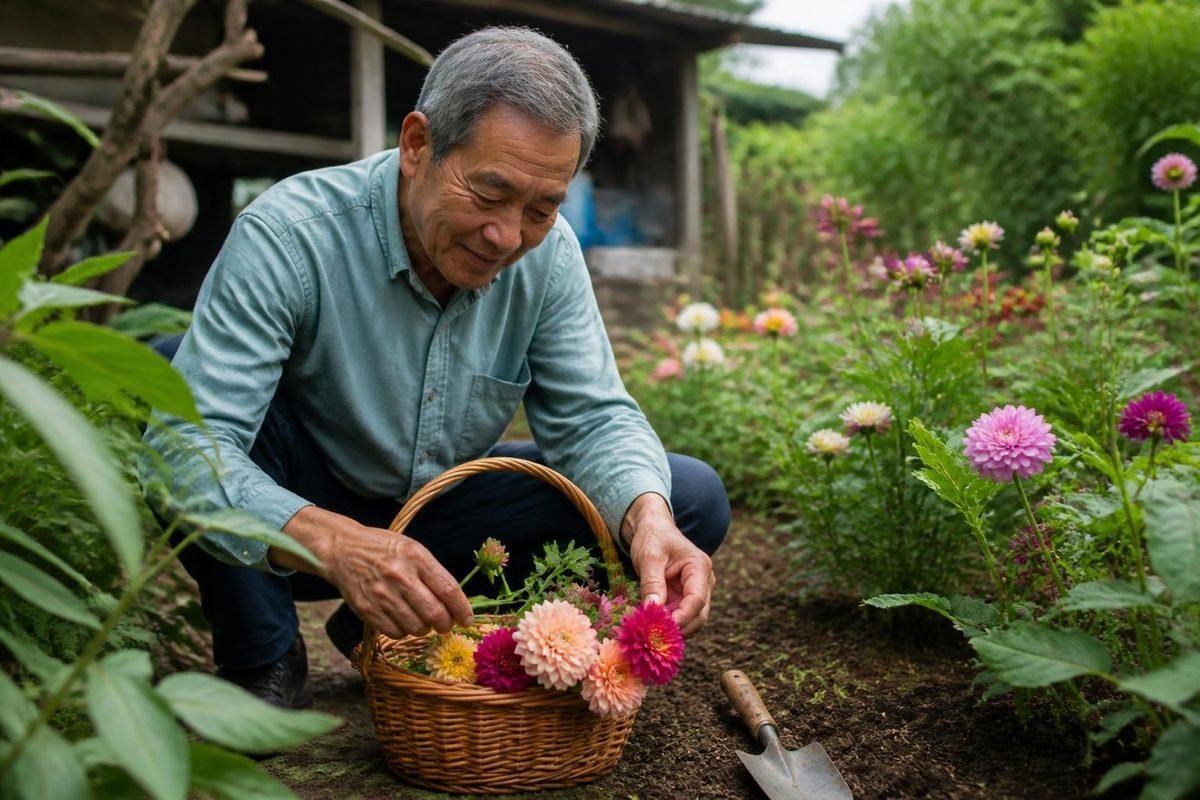
Floral art has portrayed women working in gardens as caretakers, growers and figures of quiet domestic life. Flowers often make these scenes look peaceful, but details such as tools, clothing and posture can also reveal the effort behind the beauty.
Work among the flowers
In paintings and illustrations, a woman might bend over a bed of plants, carry a basket or gather flowers by hand. These actions give the garden a purpose beyond decoration. Someone has to tend the plants, even if the finished picture looks wonderfully serene.
Artists could suggest work through small details: soil near a hem, a watering can at the edge of a path or a hand reaching into dense foliage. A carefully arranged bunch of flowers tells a different story from a loose handful just picked. Both can point to the care involved in growing and using flowers.
Not every woman shown in a garden is working. Some are walking, reading or posing among the plants. Looking at what her hands are doing is a useful first step before deciding how an image represents her.
Beauty, care and everyday life
Flowers have long carried associations with beauty and care, and artists sometimes used gardens to connect those ideas with women. A scene of tending plants could suggest patience, attention and the rhythm of daily life. It could also present the garden as an extension of the home.
That gentle mood does not necessarily tell us how easy the work was. Digging, weeding, watering and carrying cut stems all take time and effort. An artist might soften those demands, choosing a pleasant moment or giving more space to blossoms than to bare soil.
Clothing can add another clue. An apron or a practical covering may suggest a task in progress, while a carefully posed figure in clean, elaborate dress may be there chiefly to create an attractive scene. These details are clues rather than proof of the artist's intention.
What to notice in a garden scene
A closer look can change the way a floral image reads. Try starting with these details:
- Hands and tools: Is the woman planting, cutting, carrying or simply holding flowers?
- Posture: A figure bent over a bed gives a different impression from one posed upright beside it.
- The garden itself: Neat borders, abundant blooms or visible soil each shape the mood.
- Other people: A figure working alone can suggest a different kind of story from a group sharing a task.
None of these details has a single fixed meaning. Together, though, they help show how an artist balanced the appeal of flowers with the presence of the person tending them.
Questions about women in garden art
Were women always shown as gardeners?
No. Women also appear as visitors, models or members of a household enjoying a garden. The activity shown in the image matters.
Did flowers always have a symbolic meaning?
No. Flowers can carry symbolic associations, but they can also be part of the setting or the subject of the work. The surrounding details help guide an interpretation.
See also: sending flowers home to family